

Organization planning constitutes of all the activities which are utilized to set priorities, focus energy, resources and assets, reinforce tasks, guarantee that employees and different stakeholders are moving in the direction of a common objective, set up agreement around expected results, and evaluate plus modify the organization’s path with respect to the changing environment.

Bill Gates, after having helmed Microsoft for 25 long years, stepped his title as CEO down to Steve Ballmer in 2000. The latter, for the next 14 years, went ahead to triple sales to $78 billion and profits from $9 billion to $22 billion. In fact, Kinect and Xbox propelled under his watch, as did the acquisition of Skype and Yammer.
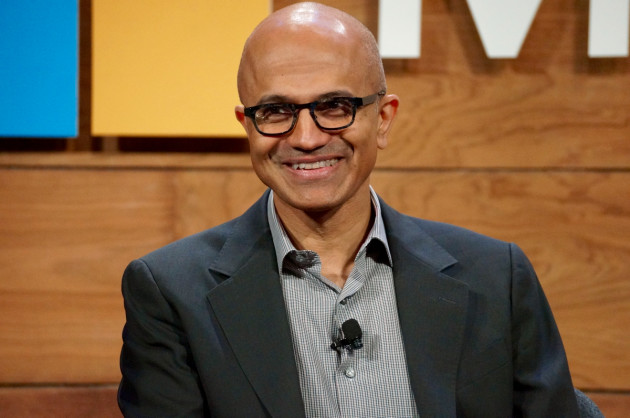
However, Satya Nadella, in 2014 reserved Microsoft around mobile and cloud, liberated the Azure and Office teams from Windows, released a new version of Windows and killed the phone business. Nadella likely saved his company from irrelevance.
In spite of the fact that Ballmer has been among the best CEOs at that point, however as far as long haul survival, did he possess all the critical competencies to Microsoft’s success? He failed, for he was a world-class executor of an existing business model, however not a world-class trendsetter or an innovator.

If something does not start right, it would be delusional to think that it will end right. Had there been strategic planning beforehand, Nadella would have been appointed in the first place making the picture different as for now.
Better late than never, organizational planning is one of the key practices to be incorporated by the companies which can guide your company in a positive direction and prevents going down any expensive road that leads to nowhere.
It is a disciplined exertion that produces basic choices and activities that shape and guide what an organization is, who it serves, what it does, and why it does it, with attention on what’s to come. Effective strategic planning expresses not just where an organization is heading to and the activities expected to lead a successful path, yet in addition to how it will know whether it is fruitful.
It is anything but difficult to get so engaged in the everyday aspects of running a business that you never get around to plan for what’s to come. Indeed, if an organization doesn’t know where it’s going, its needs will always change with little engagement or responsibility from its workers.
A strategic plan, however, provides guidance and focus for all employees by laying out particular objectives and a strategy to accomplish for achieving them.
Organizational planning helps a company uncover approaches to enhance performance. It can, for instance, show the insights about how to restructure your organization with the goal that it can achieve its maximum capacity. Developing new products, expanding operations- an all-around strategic plan manages how you react to circumstances and challenges of every color, shape, and size.
You might have heard it before, the best-laid plans won’t guarantee success, but having no plan at all will certainly guarantee failure- or for that matter, at least fall short of your goals.

77% of successful companies have an established mechanism to make an interpretation of their strategy into operative terms and assess it on an everyday basis.[1]
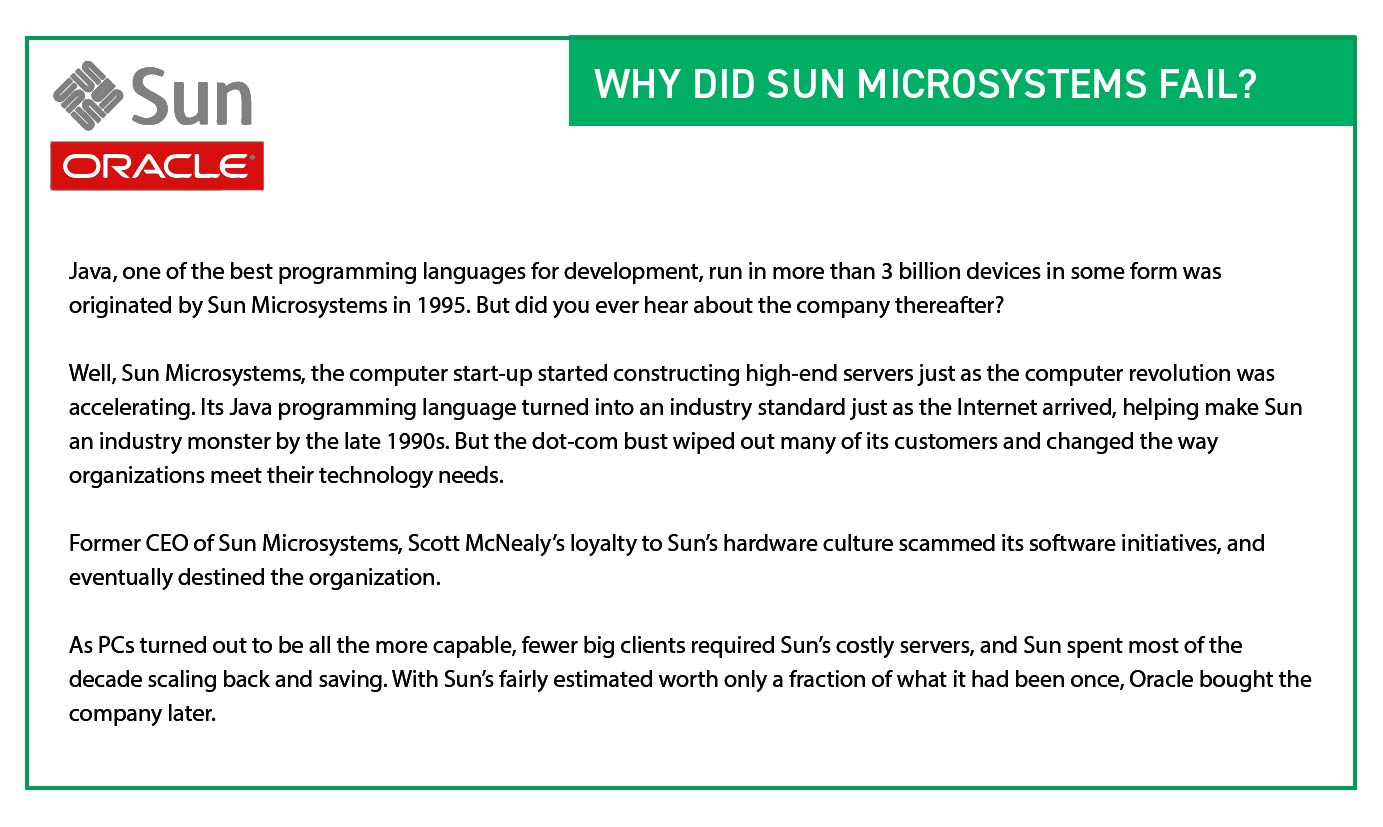
The reason for this; software talent is constantly overwhelmed by and made to fill the needs of its hardware rulers. To do what’s depicted above at the right time would have required an assertive software leadership inside Sun, someone willing to confront the hardware culture.
McNealy, the one figure who could have given the nod to such an activity, was himself instilled with the hardware culture.
In this case, there was a need for strategic organizational planning in order to maintain someone at top positions, be it CEO or other empowered software leaders aware of the competitors and the changes in the technique an organization needs to work upon for success.
“A goal without a plan is just a wish”
A beforehand planning within the concerned officials of the organization, considering all the aspects of transformation with respect to the product would have surely made the scenario different at all.
The short clarification of interest in organizational planning is that people have made sense of that what got your organization here today won’t get it to where it should be tomorrow or is expected to be. Sudden developments, new challenges, and dynamic innovations have changed the scene, moving the conduct of both competitors and clients.

It focuses on the work and resources of the entire organization, create a clear and convincing vision that the team and board wish to progress, with proper coordination toward success.
It involves getting input from clients to guarantee that their needs are known and followed upon. Again, this helps companies expand and enhance their services.
A strategic plan, on the other hand also uncovers what an organization needs to quit doing in order to be more effective and client-focused.
A well-articulated plan shows to the general public, funders and key partners that the company is making the most ideal utilization of its assets to the advantages of clients it serves.
A good plan tells what you want to accomplish in the given time frame, what the future holds and what the ultimate goal is.
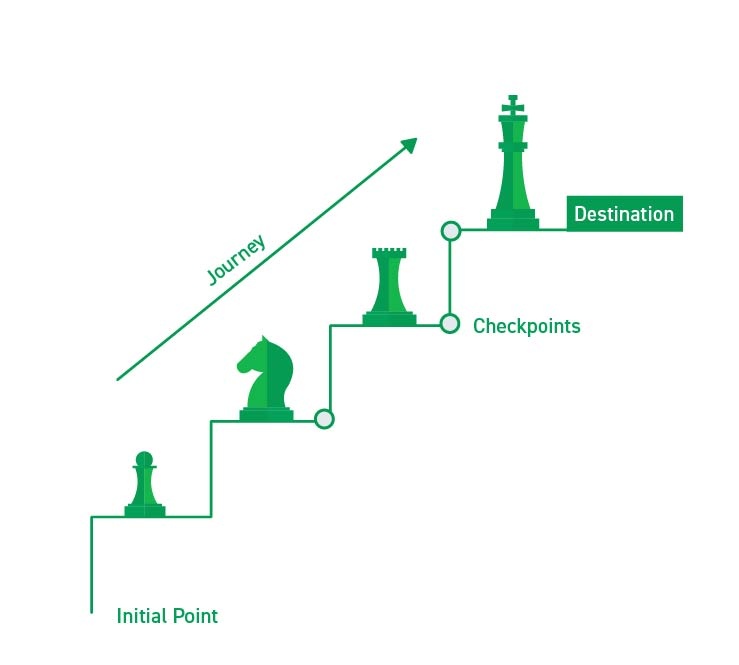
Don’t worry. This isn’t a tough task. We are heading towards how a successful organization planning could be implemented.
“A failure to plan is planning to fail”.
We have all heard that a million times, yet what is the concept of planning? Some call it forethought- the way toward pondering and sorting out the activities to accomplish a coveted objective.
According to the author Theo Haimann, “Planning is choosing ahead of time, what anyone can do. At the point when a manager plans, he anticipates a strategy for the future, endeavoring to accomplish a reliable, facilitated structure of operations aimed at the desired results.”
In case of absence of a plan, work still gets done on a daily basis, but what it lacks is a sense of purpose and priority.
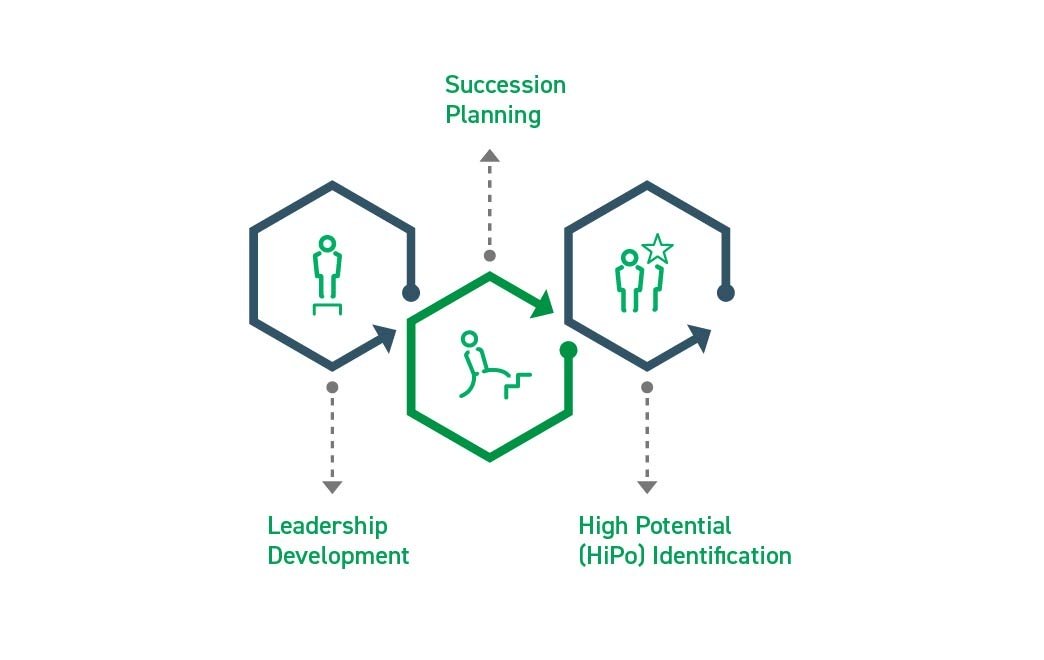
Three Core Elements of Organizational Planning:
“A leadership culture is one where everyone thinks like an owner, a CEO or a managing director. It’s one where everyone is entrepreneurial and proactive.”
-Robin S. Sharma
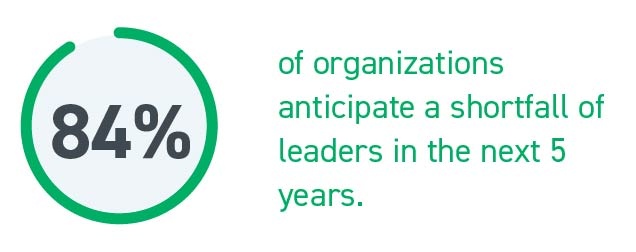 HR experts must know about the significance of leadership development, as they are basic to the long-term success of organizations. In the present scenario, companies are encountering the problems of gen-X exits. Numerous such people hold the top positions in an organization, so this mass migration is causing troubles for those who cannot create a solid pipeline of leadership talent.
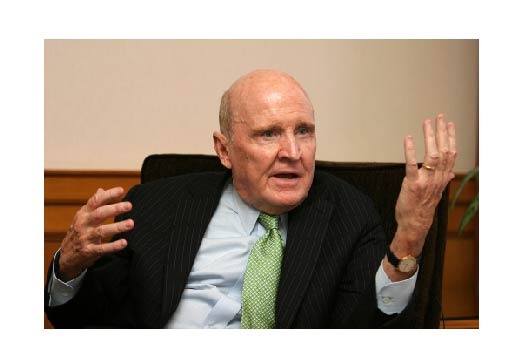
Jack Welch, former CEO of General Electric, one of the largest business organizations according to Fortune 500, once said, “My main job was developing talent. I was a gardener providing water and nourishment to our top 750 people. Of course, I had to pull out some weeds, too.” He, for sure understood the value of leadership development in organizations as large and powerful at General Electric.
 1. Achieve Business Goals
Present day leaders should be agile in acquiring new ranges of abilities to realign business strategies to quickly developing business scenarios.
 2. Better Work Environment
Successful organizations require a culture that esteems people and promotes development. Painstakingly curating behavioral patterns of leaders are imperative.
 3. Future-Proofing
Organizations should be on the consistent lookout and appropriately adjust to changes in people, procedures and innovation that could influence them in a not so distant future.
We live in an era of significant and accelerating disruption. The world is moving so quickly these days that the man who says it isn’t possible is for the most time hindered by someone doing it. Moreover, the leaders should be capable of managing the millennials and the new-age comers in an efficient way.
Leading companies through change have become a totally different picture now from how it used to be ten to twenty years back.
And this is not going to slow down – on the contrary.
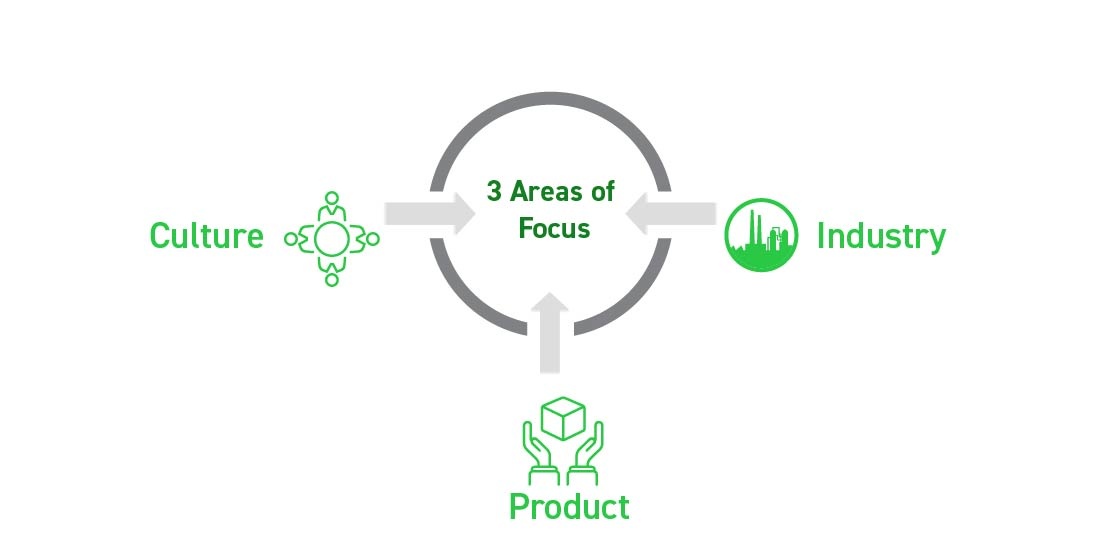
A positive culture impacts the organization in the long-term. Keeping the employees updated with workplace technology, providing them greater flexibility and a clear career trajectory, recognition and appreciation, all these counts in building up a positive work culture.
Leaders should have an astounding feeling of vision and instinct about where the market is going, how client inclinations will develop, every bit of product knowledge, its updates and how to amuse end clients with greater usability.
Leaders should have an astounding feeling of vision and instinct about where the market is going, how client inclinations will develop, every bit of product knowledge, its updates and how to amuse end clients with greater usability.
Organizations and the people within them, particularly the leaders must constantly re-invent and recalibrate themselves to remain competitive. Sustaining success does depend on a company’s ability to adapt to a changing environment.
An organization’s top executives are one of the few couple of factors over which boards have total control- and their inability to plan for such executives’ positions has a high cost.
A 2010 overview by the search firm Heidrick and Struggles and the Rock Center for Corporate Governance at Stanford University uncovered that exclusive 54% of boards were preparing a particular successor, and 39% had no suitable internal applicants who could quickly supplant the CEO if the need emerged. [2]
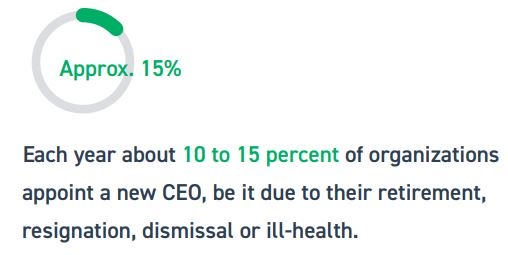 So what can a company do not only just to get ready for succession events but to guarantee that they make a triumphant pick when the time comes? The best thing is to coordinate official development programs with succession planning, so the best suited internal applicants are recognized early & hailed at board level.
Succession Planning is the procedure whereby an organization ensures that the employees are hired and developed to fill each key role within the company. With the help of succession planning, an organization recruits superior employees, develop their knowledge, skills, and abilities, and prepare them for promotions into more challenging roles within that organization. In fact, all the organizations, irrespective of their size, need succession planning.
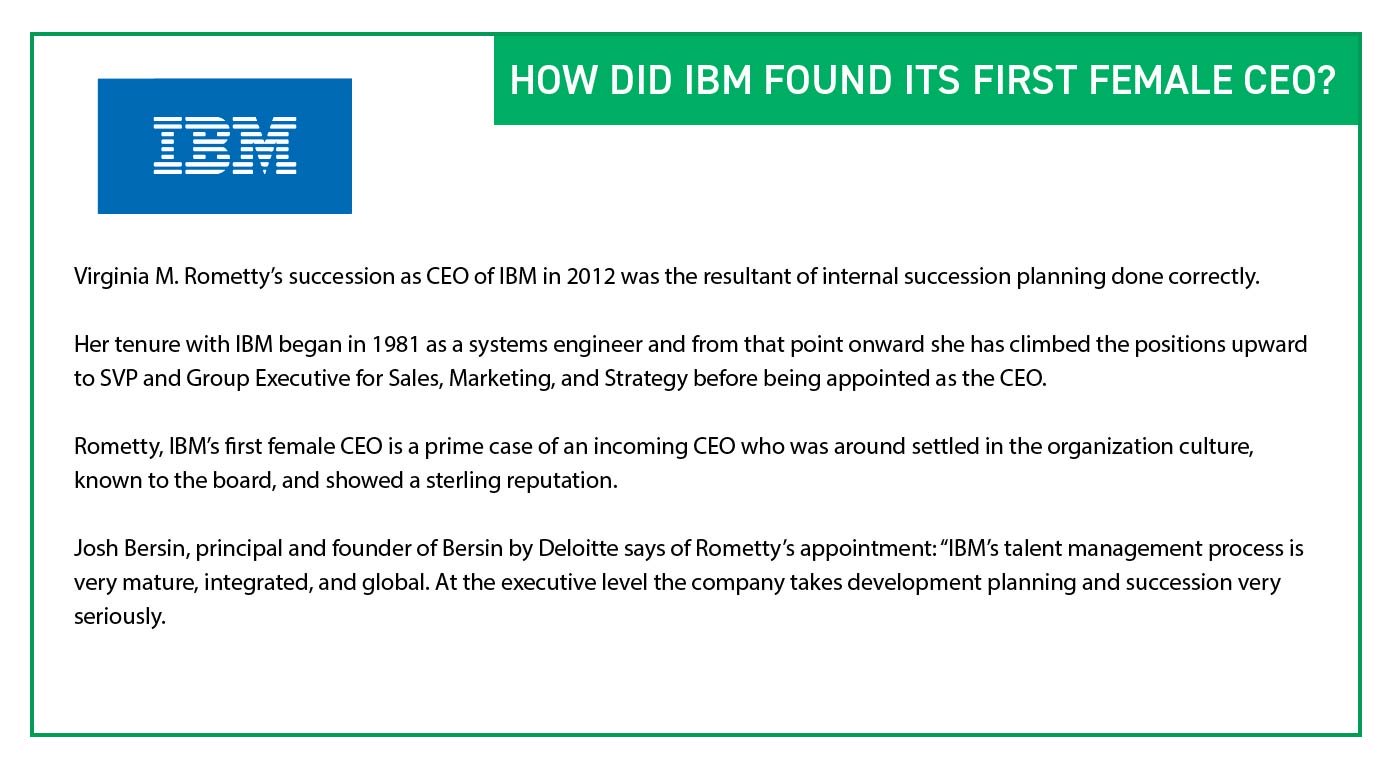
 Succession planning is a strategic approach to ensure that necessary talent and skills will be available when needed. It has been identified as a key initiative for addressing a number of critical human resources issues including increasing turnover rates, fast-paced changes in work, and a need for a diverse workforce at all levels.
The world is on reboot mode as are its corporate enterprises. Continued global economic hurricanes are driving organizations to experience outlook changes in the way they work. In Marshall Goldsmith’s words,
“What got them here won’t get them there”.
What an organization needs to cope up is an employee who is multi-skilled and capable of effective collaboration in an increasingly diverse and spread out work ecosystem. In short, seeking a lot from one employee!
The digital economy, along these lines, has shot talent development into being a critical agenda for corporates across the world. Organizations should need to ensure their people agenda is centered on the advancement of employees who can possibly accept challenges predicted not in simply the present business context, but rather tomorrow, with an aim of building future ready leaders.
High Potential Talent is an employee who is assessed as having the ability, organizational commitment, and motivation to rise to and succeed in more senior positions in the organizations.
In the business world today, there is a developing enthusiasm for HiPo identification. An employee’s potential decides the furthest reaches of his or her development range. It would be sufficient to say that the more potential they have, the less expensive and quicker it is to develop them.
HIPOs are 91% more valuable than non-HIPOs.[3]
Some in your organization might see the organizational planning process fruitful as an administration craze or a misuse of assets. But, if done accurately and with appropriate follow-up and action, it can ensure a more successful and proficient utilization of resources, enable the organization to maintain a strategic distance from crisis, and set it up to deal with any circumstance that emerges.
But, how are these practiced or for that matter, how can these core elements of organizational planning be implemented in an organization?
 Strategy is not a mere process, rather it is a way of running your organization. It is cyclical, agile, 100% iterative and moreover never-ending.
Many people assume that the hardest thing about strategy is the planning; comprehending what to do. Logical enough, yet the basic truth is that knowing what to do is the simple part. To effectively execute a technique is hard- it’s what sets great strategy individuals separated from the crowd.
The concept of assessments in each of the elements of organizational planning will prove beneficial. After all, an objective and comprehensive approach that could provide insights into the competencies required for a job role could be the one to find the target employees, gauge the extent of training to be provided and even measure the effectiveness of training incorporated.
Now, let’s discuss the correct and efficient ways that must be incorporated by the organizations for each and every element of organizational planning.
 A comprehensive assessment battery that provides insight into the leadership styles, motivators and work-oriented personality of a leader. This targets to help the leaders increase their overall effectiveness, by letting them know about how to leverage their strengths and address their areas of development.
The measurement process through assessments considers all the aspects including cognitive abilities, personality traits, demonstrated behaviours and function knowledge/skills. To ascertain the eligible employees and the competencies required for leadership roles would be the first step in this direction.
Now, let’s discuss the correct and efficient ways that must be incorporated by the organizations for each and every element of organizational planning.
Well, setting up Assessment Centers and Development Centers could help. AC/DCs are comprehensive psychometric projects intended to assess key competencies in individuals through set of strategic group activities led in an offline mode.
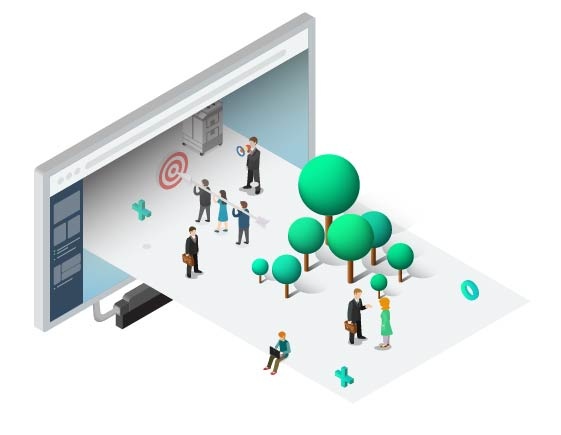 There are companies which provide advanced psychometric tools that enable virtual administration of AC/DCs along with offering the flexibility of offline activities.
Virtual AC/DC- An entire online suite of logically approved devices and assessments that totally recreate AC/DCs. This is completely virtual, helpful and convenient. It eliminates logistics hassles and reduces costs.
Blended AC/DC– Hold the adaptability and combine virtual assessment with on-field programs according to your need to create complete behavioral maps for your employees.
By engaging your teams in the planning process of how you will accomplish your objectives you build loyalty and your group has noteworthy trust in you as a leader.
Business Dictionary defines succession planning as the
“Identification and Development of potential successors for key positions in an organization, through a systematic evaluation process and training.”
62% of employees say they would be ‘significantly more engaged’ at work if their company had a succession plan. [4]
These are the focal point of succession planning endeavours, and if left empty would make it troublesome for the organization to accomplish business objectives.
This addresses the recognizable proof of skills/competencies required for accomplishment in said position.
Learning, preparing and advancement for effective succession planning and administration.
This depicts the productiveness of the strategies incorporated.

When you place psychometric assessments into the equation, there is a proof of a more effective form of succession planning. Some are listed below:
Fiscal Benefits : It leads to a positive effect on performance management, ensuring strategic positions remain involved with competent performers. This would invalidate the cost and time behind external recruitment and training, which on the other hand are comparatively more expensive.
Levels beyond training : It is a piece of procedure important to furnish potential employees with the skills, abilities and knowledge to connect voids left by future vacancies, also helps with the initial evaluation of potential vulnerabilities that may in turn affect performance management.
Gaps in Expected Competencies : It helps identify the where there might be gaps between what an employee currently knows and what he/she needs to know. Better measured on the basis of current requirements for key strategic positions or a natural absence of employees with the required skills.
It gives advantages in the form of objective information on employee effectivity and behavioral competencies suited to the organizational system.
This arena of organizational planning could also be executed via assessments. These assessments are further prepared using the following ingredients:
Ability: These are the focal point of succession planning endeavours, and if left empty would make it troublesome for the organization to accomplish business objectives.
Social Skills: This addresses the recognizable proof of skills/competencies required for accomplishment in said position.
Drive: This addresses the recognizable proof of skills/competencies required for accomplishment in said position.
The distinctive qualities that are drive, social skills, and ability are best decided by means of the case of a rocket.
When launched, a rocket’s goal is an unchangeable reality. Its fuel limit decides its capacity to reach said goal, and its body decides its capacity to cross through extra-terrestrial hindrances on the way.
 On a relative note, the rocket’s want to achieve a goal is comparable to a man’s drive to meet desires and objectives that supersede into a level of high performance. While its fuel could contrast with the individual’s cognitive or learning capacity, his or her ability to achieve a level of execution paying little respect to the drive to do as such.
At last comes the comparison between the body of the rocket and a man’s social skills. A rocket is structurally streamlined to cross through space garbage, environmental squabbles and the sky is the limit from there, while a man should also form or have the coveted social abilities to explore through obstructions inside or outer to the organization.
The process of organizational planning can be as essential to an organization as the outcomes. Strategic planning can be a particularly important process when it incorporates employees in all departments and at all levels of responsibilities considering how their exercises and responsibilities fit into the bigger picture, and about their potential contributions.
Be that as it may, if you don’t set aside the opportunity to recognize what’s most vital to your organization, then you’ll continue to under-perform and you’ll be kept occupied with things that are seemingly not critical to organizational growth.
Organizational planning doesn’t need to be entangled, but since it sounds complicated, numerous organizations don’t do it as frequently as they should.
Incorporate Organizational Planning into your organization, and you’ll quickly observe the benefits.
https://www.gsb.stanford.edu/faculty-research/publications/2010-ceo-succession-planning-survey.
https://www.cebglobal.com/talent-management/high-potential.html4.
https://www.orgchartpro.com/5-stats-on-talent-management-and-succession-planning/
Originally published April 18 2018, Updated August 19 2021

Helping businesses beat content mediocrity by generate engaging content, both short and long form including blogs, social media, case studies, newsletters and more.
Succession planning is a systematic process through which organizations build a leadership pipeline to preserve its future. The process involves identifying and developing potential successors for a seamless transition.

Future-proof your business with digital succession planning approach
Know More

Measure the potential of your talent and make objective organizational decisions
Know More

Solutions For Measuring the Learning Agility of Your Workforce
Know More


Thanks for submitting the comment. We’ll post the comment once its verified.





 Behavioral Competencies
 Cognitive Competencies
 Coding Competencies
 Domain Competencies






Would you like to comment?